
AI-Powered Anti-Cheat Systems Revolutionize Gaming Fairness
AI-Powered Anti-Cheat Systems Revolutionize Gaming Fairness
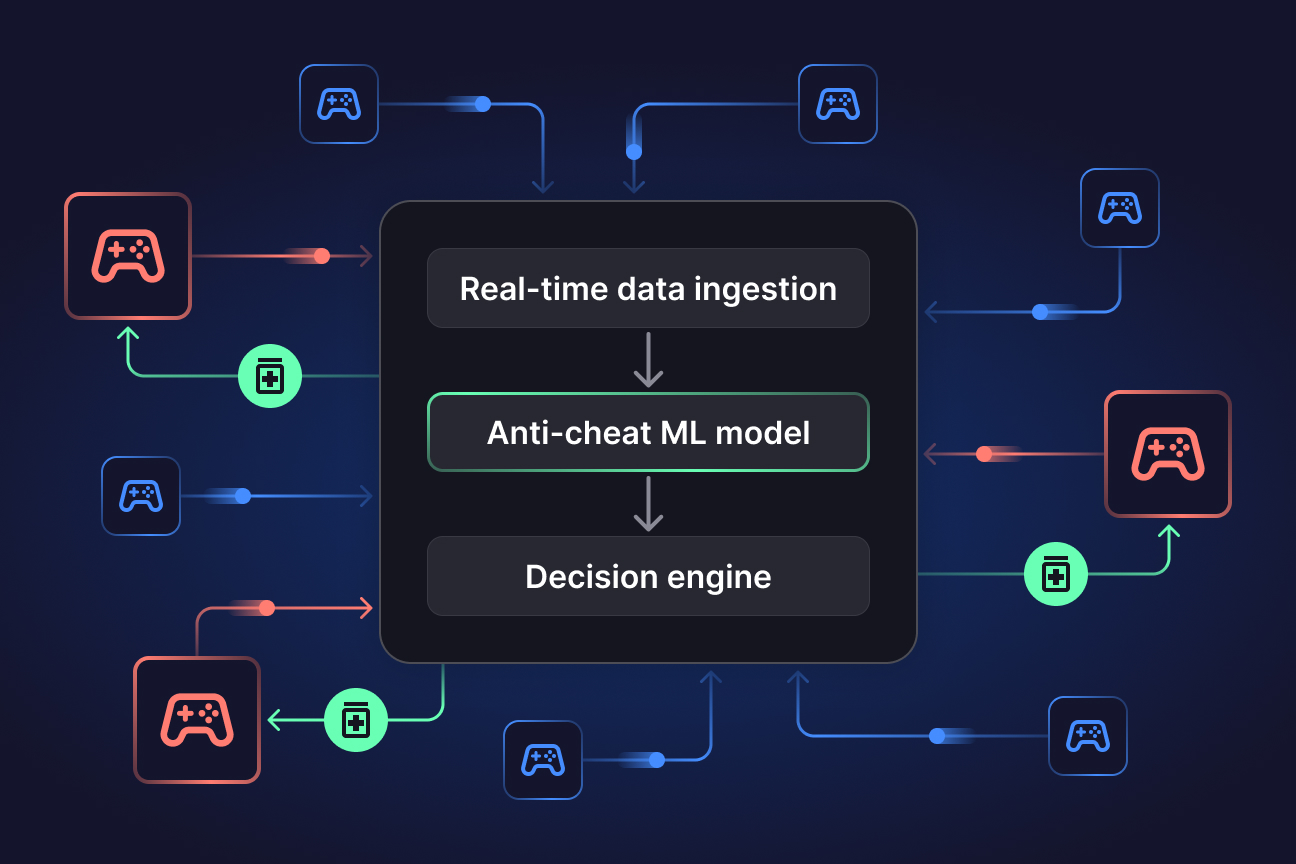
AI cheating detection systems are increasingly being used to identify unnoticed cheaters in gaming environments, including teammates. These systems leverage real-time data processing and machine learning to analyze player behavior and detect anomalies that may indicate cheating. Here’s how AI can help identify unnoticed cheaters:
1. Real-Time Behavior Analysis
AI systems can process vast amounts of player data in real time, analyzing inputs like mouse movements, reaction times, and accuracy. If a player's behavior deviates significantly from normal gameplay, the AI can flag them for further review. This is particularly useful for detecting subtle cheats like aimbots or behavior prediction macros.
2. Anomaly Detection in Player Statistics
AI models trained on large datasets of normal player behavior can identify statistical anomalies. For example, if a player consistently knows enemy positions without visual or audio cues, the AI can flag this as suspicious. This method is effective against wallhacks and ESP cheats.
3. Pattern Recognition in Input Data
Advanced AI models can analyze raw input data from players' devices to detect patterns that indicate automation or inhuman precision. This helps in identifying cheats like machine learning-powered macro systems or behavior prediction algorithms.
4. Proactive Cheat Prevention
AI can use predictive analytics to identify patterns that precede the emergence of new cheats. By analyzing historical data, AI can help developers patch vulnerabilities before cheaters exploit them. This proactive approach is crucial for staying ahead in the anti-cheat arms race.
5. Custom Anti-Cheat Solutions
Custom AI anti-cheat solutions offer flexibility and adaptability. They can be tailored to specific game mechanics and player behaviors, ensuring more effective detection. Platforms like Quix provide the tools to build these custom solutions, allowing developers to process game telemetry in real time and integrate with existing systems.
Conclusion
AI-powered anti-cheat systems are becoming essential for maintaining fair play in online games. By leveraging real-time data processing and machine learning, these systems can detect and prevent cheating more effectively than traditional methods. However, it’s important to balance detection accuracy with false positives and ensure that the final decision to ban a player is made by a human moderator.
 Invite Gmail Contacts