
AI-Powered Systems Revolutionize Whale Collision Prevention
AI-Powered Systems Revolutionize Whale Collision Prevention
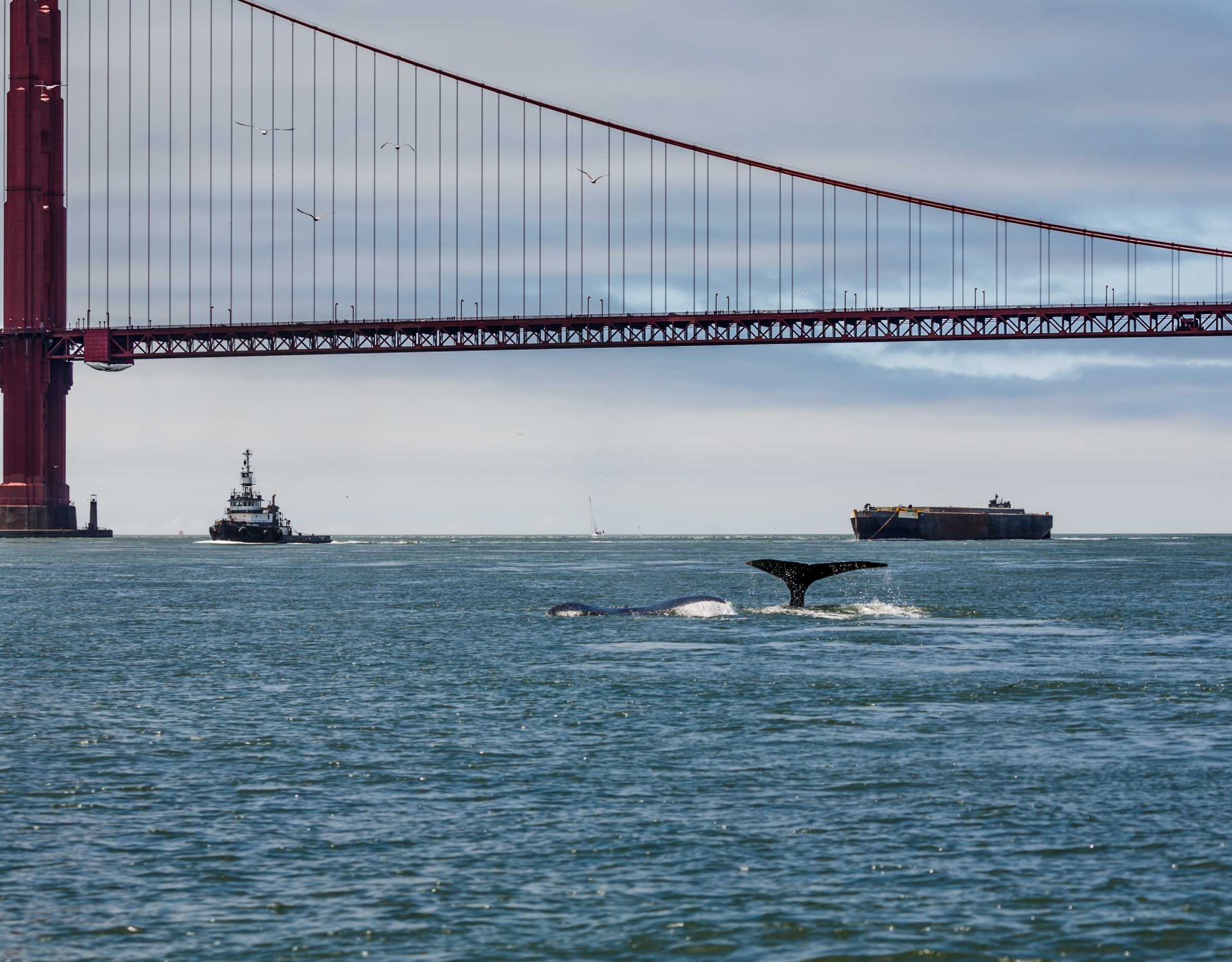
AI-powered systems like Whale Safe and WhaleSpotter are revolutionizing the prevention of ship collisions with whales, a leading cause of death for endangered marine mammals. These systems leverage advanced technologies such as AI, acoustic monitoring, thermal imaging, and big data analytics to detect whale presence in real time and alert ship captains to take preventive measures.
Whale Safe
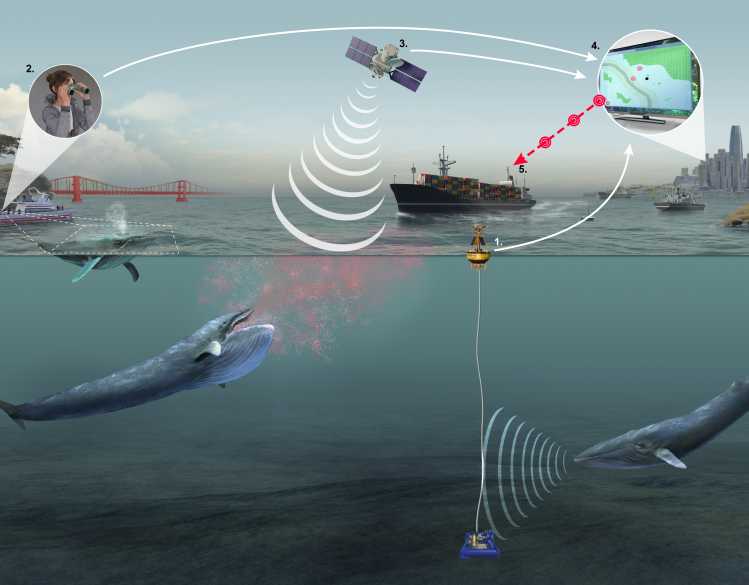
Whale Safe, developed by the Benioff Ocean Science Laboratory and The Marine Mammal Center, is a technology-based mapping and analysis system designed to reduce whale-ship collisions. It uses an AI-enabled acoustic monitoring system, direct whale sightings, and oceanographic data to create a "Whale Presence Rating." This data is shared with shipping companies, government officials, and the public to encourage vessel speed reductions in high-risk areas. Since its deployment in the Santa Barbara Channel in 2020, Whale Safe has shown significant success in reducing ship strikes by creating "school zones for whales." The system has now expanded to the San Francisco Bay Area, where ship collisions are a major concern for endangered species like blue, fin, humpback, and gray whales.
WhaleSpotter
WhaleSpotter, developed by Woods Hole Oceanographic Institution, is another AI-powered system that uses thermal imaging cameras to detect whale spouts in real time. The system, which is mounted on ships, scans the ocean for warm whale breath against the cool sea mist. Once a detection is made, a neural network analyzes the footage, and a human expert verifies the alert before notifying the ship’s captain. WhaleSpotter has been tested on ferries, research vessels, and cruise ships, and its detection range has been extended to nearly six kilometers. The system is particularly effective at night, when many whale species are more active near the surface. While adoption on large container ships remains a challenge, partnerships with companies like Matson Navigation are paving the way for broader implementation.
Impact and Future
Both systems aim to reduce the estimated 80+ whale deaths caused by ship strikes annually off the U.S. West Coast. By combining AI with human verification, these technologies ensure accurate alerts and prevent alert fatigue among ship captains. The ultimate goal is to create a global network of whale detection systems that can share real-time data, making the oceans safer for these majestic creatures. As adoption grows, these AI-powered solutions could become a standard in maritime operations, helping to protect endangered whale populations and promote sustainable shipping practices.
 Invite Gmail Contacts