
Trending Frameworks Popular AI Frameworks

TPO (Test-Time Preference Optimization) is an AI framework that optimizes language model outputs during inference to better align with human preferences. It converts reward signals into textual feedback, marking high-quality responses as "chosen" and low-quality ones as "rejected." TPO generates "textual loss" and "textual gradients" to iteratively improve outputs without updating model parameters. This approach significantly enhances performance across benchmarks, even for models without prior alignment training.

Phantom, developed by ByteDance's Intelligent Creation Team, is a Subject-to-Video (S2V) generation framework that leverages cross-modal alignment technology. It combines text and image prompts to extract subject elements from reference images, generating video content that aligns with the provided text description. Built on existing Text-to-Video (T2V) and Image-to-Video (I2V) architectures, Phantom redesigns the joint text-image injection model, learning cross-modal alignment from text-image-video triplet data. The framework supports single and multi-subject references, emphasizing subject consistency in human generation tasks and enhancing identity-preserving video generation.
AgentSociety is a social simulator developed by Tsinghua University, leveraging large language models (LLM) to create intelligent agents with human-like minds. These agents are endowed with emotions, needs, and cognitive abilities, enabling them to simulate complex social behaviors in urban environments. The platform features realistic urban social environment simulation, a large-scale social simulation engine, and a toolbox for intelligent social science research. It is used for analyzing social phenomena, policy sandbox testing, crisis warning, and exploring future social forms.

DualPipe is an open-source bidirectional pipeline parallelism technology developed by DeepSeek, aimed at improving the training efficiency of large-scale deep learning models. It divides the model training process into two independent pipelines—forward computation and backward computation—which are executed in parallel. This approach reduces communication overhead in distributed training by optimizing communication mechanisms and scheduling strategies, making it ideal for large-scale model training.

HippoRAG 2, developed by Ohio State University, is a Retrieval-Augmented Generation (RAG) framework that addresses the limitations of existing RAG systems in simulating human long-term memory. It integrates a personalized PageRank algorithm, deep paragraph consolidation, and efficient use of Large Language Models (LLMs) to enhance knowledge retrieval and generation. During the offline phase, it constructs an open knowledge graph (KG) by extracting triples from paragraphs and detecting synonyms. During online retrieval, it links queries with KG triples, filters irrelevant information, and applies the personalized PageRank algorithm for context-aware retrieval, providing the most relevant paragraphs for Q&A tasks.
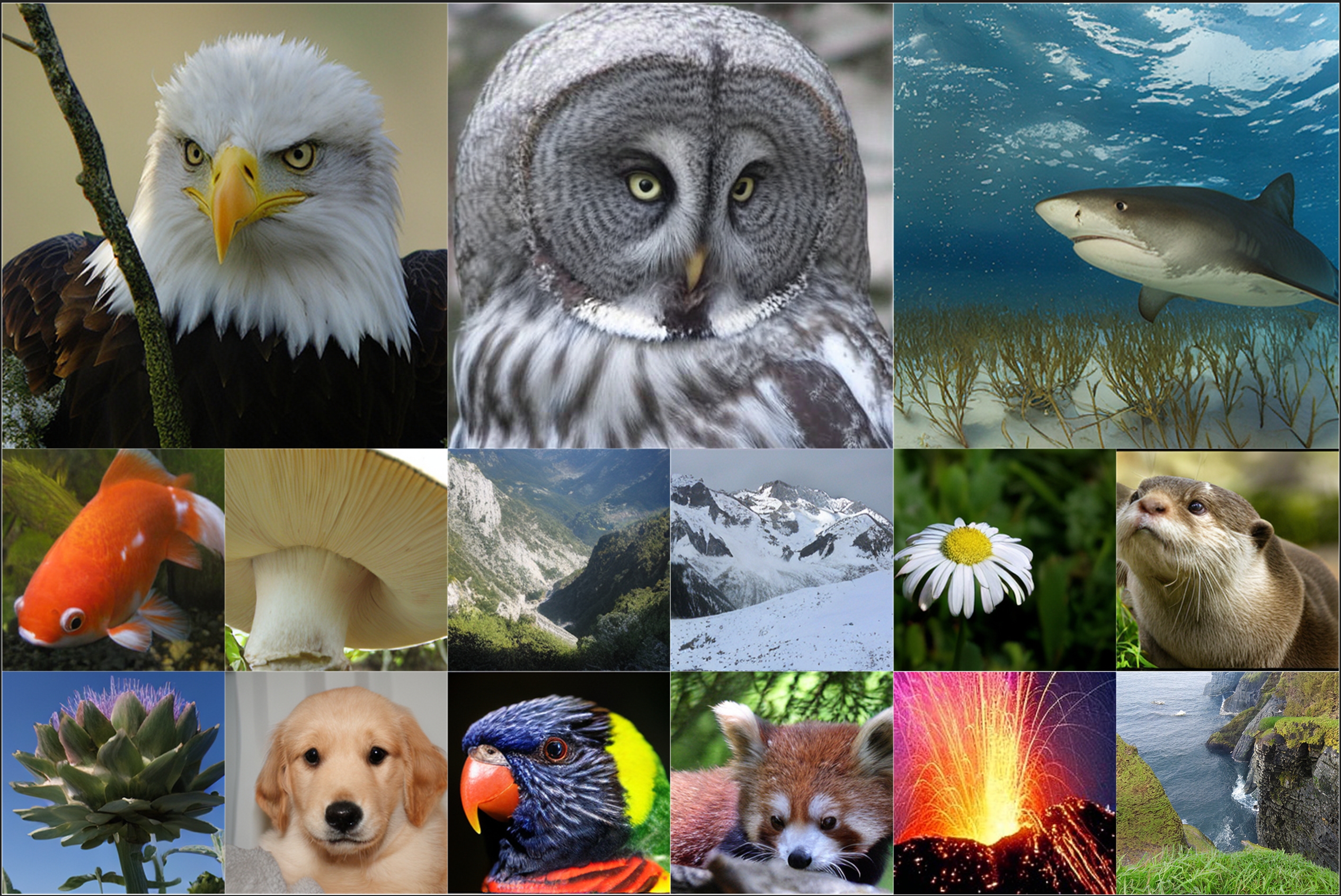
xAR is an advanced autoregressive visual generation framework developed by ByteDance and Johns Hopkins University. It addresses common issues in traditional autoregressive models, such as insufficient information density and cumulative errors, through innovative techniques like Next-X Prediction and Noisy Context Learning. These methods enable the framework to predict complex entities like image patches and entire images, improving both the quality and speed of image generation. xAR has demonstrated superior performance on benchmarks like ImageNet, outperforming existing models in both inference speed and generation quality.
PRefLexOR (Preference-based Recursive Language Modeling for Exploratory Optimization of Reasoning) is a self-learning AI framework developed by MIT. It integrates preference optimization and reinforcement learning to enhance reasoning through iterative inference. The framework uses a recursive reasoning algorithm, enabling the model to perform multi-step reasoning, review, and improve intermediate steps during training and inference, resulting in more accurate outputs. PRefLexOR employs Odds Ratio Preference Optimization (ORPO) and Direct Preference Optimization (DPO) to align reasoning paths with human preferences and improve reasoning quality.
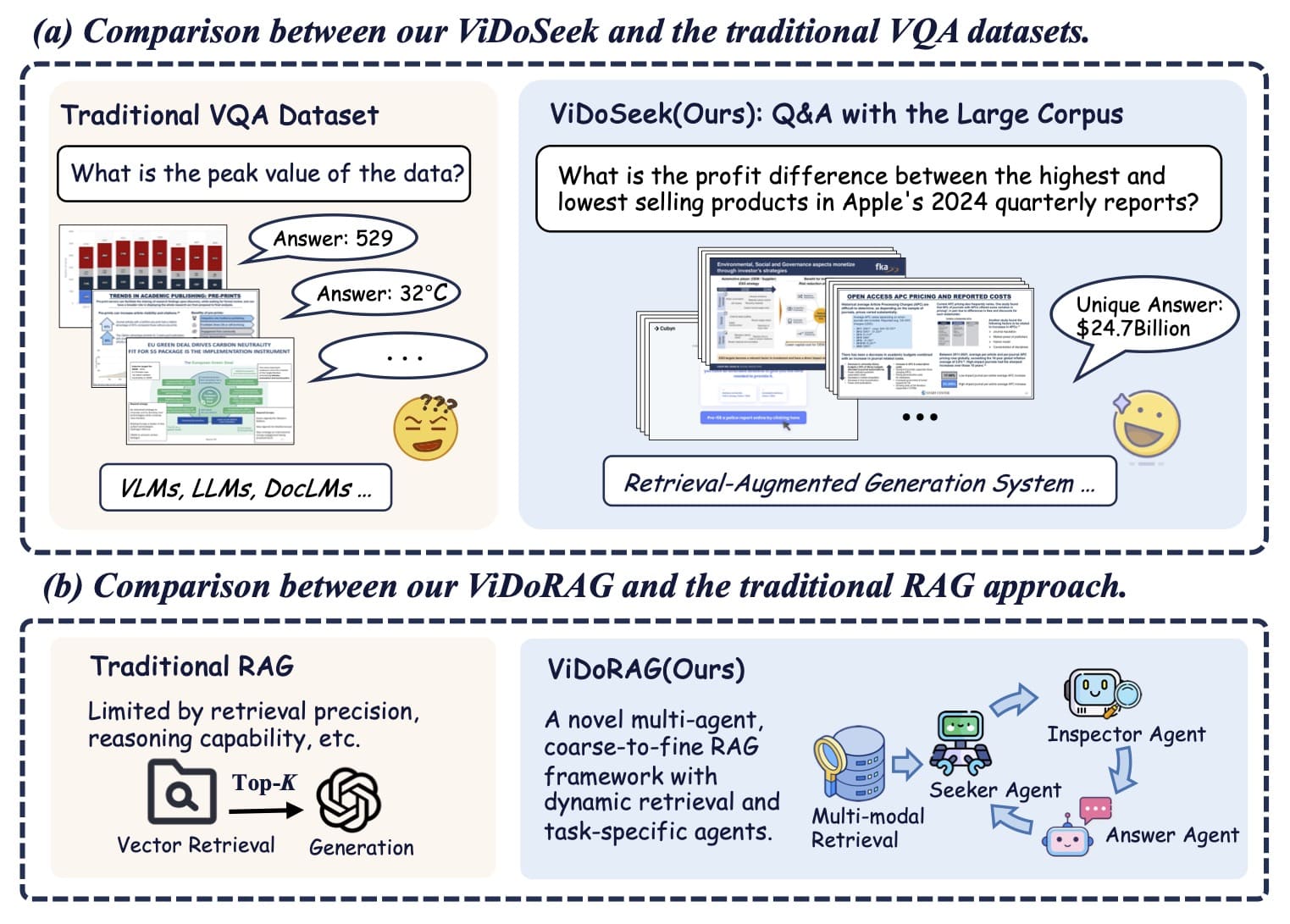
ViDoRAG, developed by Alibaba Tongyi Lab in collaboration with USTC and SJTU, is a visual document retrieval-augmented generation framework. It addresses the limitations of traditional methods in handling complex visual documents by employing a multimodal hybrid retrieval strategy based on Gaussian Mixture Models (GMM). The framework dynamically adjusts the number of retrieval results, optimizing the integration of text and visual information. It includes three agents: Seeker, Inspector, and Answer, which work together to refine answers progressively, improving generation quality and consistency. ViDoRAG significantly outperforms existing methods on the ViDoSeek benchmark dataset, demonstrating its efficiency and superiority in visual document retrieval and reasoning tasks.
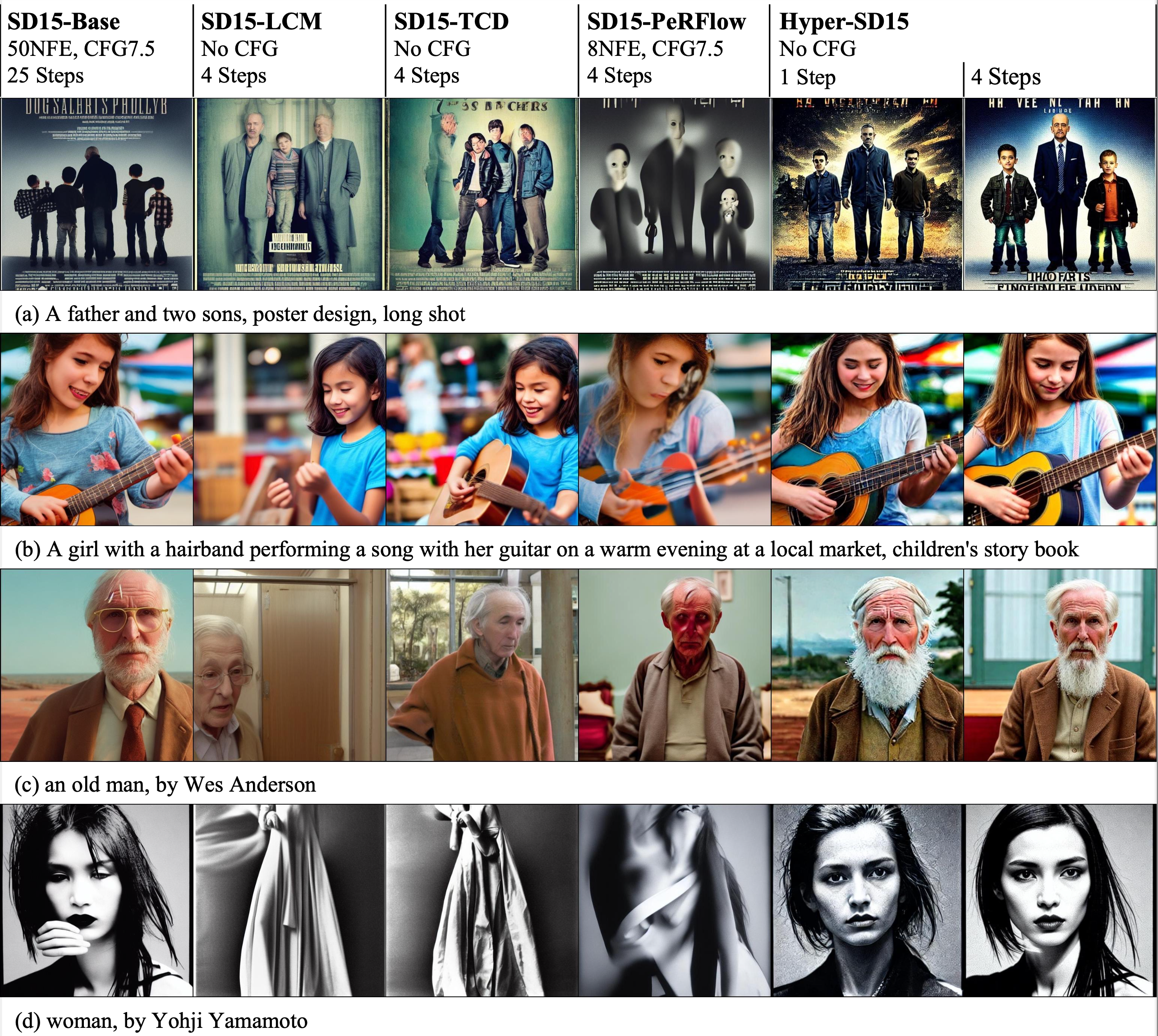
Hyper-SD, developed by ByteDance, is an advanced image synthesis framework that addresses the high computational costs of diffusion models during multi-step inference. It employs Trajectory Segmentation Consistency Distillation (TSCD) to maintain data consistency across different time periods, preserving the original ODE trajectory. The framework also integrates human feedback learning to optimize performance in low-step inference scenarios and uses score distillation to enhance single-step inference image quality. Hyper-SD significantly reduces the necessary inference steps while maintaining high image quality, enabling rapid generation of high-resolution images and advancing the field of generative AI.
PodAgent is a podcast generation framework developed by The Chinese University of Hong Kong, Microsoft, and Xiaohongshu. It uses a multi-agent collaboration system to simulate real talk show scenarios, automatically generating rich and structured dialogue content. The framework includes a diverse voice library for precise character-voice matching, ensuring natural and immersive audio. It leverages large language model (LLM)-based speech synthesis to produce expressive and emotional speech, enhancing podcast engagement. PodAgent also provides comprehensive evaluation metrics to measure the quality of generated podcasts, ensuring professionalism and diversity in content.
All Frameworks Complete list of AI frameworks, sorted by newest first
TPO (Test-Time Preference Optimization) is an AI framework that optimizes language model outputs during inference to better align with human preferences. It converts reward signals into textual feedback, marking high-quality responses as "chosen" and low-quality ones as "rejected." TPO generates "textual loss" and "textual gradients" to iteratively improve outputs without updating model parameters. This approach significantly enhances performance across benchmarks, even for models without prior alignment training.
Phantom, developed by ByteDance's Intelligent Creation Team, is a Subject-to-Video (S2V) generation framework that leverages cross-modal alignment technology. It combines text and image prompts to extract subject elements from reference images, generating video content that aligns with the provided text description. Built on existing Text-to-Video (T2V) and Image-to-Video (I2V) architectures, Phantom redesigns the joint text-image injection model, learning cross-modal alignment from text-image-video triplet data. The framework supports single and multi-subject references, emphasizing subject consistency in human generation tasks and enhancing identity-preserving video generation.
AgentSociety is a social simulator developed by Tsinghua University, leveraging large language models (LLM) to create intelligent agents with human-like minds. These agents are endowed with emotions, needs, and cognitive abilities, enabling them to simulate complex social behaviors in urban environments. The platform features realistic urban social environment simulation, a large-scale social simulation engine, and a toolbox for intelligent social science research. It is used for analyzing social phenomena, policy sandbox testing, crisis warning, and exploring future social forms.
DualPipe is an open-source bidirectional pipeline parallelism technology developed by DeepSeek, aimed at improving the training efficiency of large-scale deep learning models. It divides the model training process into two independent pipelines—forward computation and backward computation—which are executed in parallel. This approach reduces communication overhead in distributed training by optimizing communication mechanisms and scheduling strategies, making it ideal for large-scale model training.
HippoRAG 2, developed by Ohio State University, is a Retrieval-Augmented Generation (RAG) framework that addresses the limitations of existing RAG systems in simulating human long-term memory. It integrates a personalized PageRank algorithm, deep paragraph consolidation, and efficient use of Large Language Models (LLMs) to enhance knowledge retrieval and generation. During the offline phase, it constructs an open knowledge graph (KG) by extracting triples from paragraphs and detecting synonyms. During online retrieval, it links queries with KG triples, filters irrelevant information, and applies the personalized PageRank algorithm for context-aware retrieval, providing the most relevant paragraphs for Q&A tasks.
xAR is an advanced autoregressive visual generation framework developed by ByteDance and Johns Hopkins University. It addresses common issues in traditional autoregressive models, such as insufficient information density and cumulative errors, through innovative techniques like Next-X Prediction and Noisy Context Learning. These methods enable the framework to predict complex entities like image patches and entire images, improving both the quality and speed of image generation. xAR has demonstrated superior performance on benchmarks like ImageNet, outperforming existing models in both inference speed and generation quality.
PRefLexOR (Preference-based Recursive Language Modeling for Exploratory Optimization of Reasoning) is a self-learning AI framework developed by MIT. It integrates preference optimization and reinforcement learning to enhance reasoning through iterative inference. The framework uses a recursive reasoning algorithm, enabling the model to perform multi-step reasoning, review, and improve intermediate steps during training and inference, resulting in more accurate outputs. PRefLexOR employs Odds Ratio Preference Optimization (ORPO) and Direct Preference Optimization (DPO) to align reasoning paths with human preferences and improve reasoning quality.
ViDoRAG, developed by Alibaba Tongyi Lab in collaboration with USTC and SJTU, is a visual document retrieval-augmented generation framework. It addresses the limitations of traditional methods in handling complex visual documents by employing a multimodal hybrid retrieval strategy based on Gaussian Mixture Models (GMM). The framework dynamically adjusts the number of retrieval results, optimizing the integration of text and visual information. It includes three agents: Seeker, Inspector, and Answer, which work together to refine answers progressively, improving generation quality and consistency. ViDoRAG significantly outperforms existing methods on the ViDoSeek benchmark dataset, demonstrating its efficiency and superiority in visual document retrieval and reasoning tasks.
Hyper-SD, developed by ByteDance, is an advanced image synthesis framework that addresses the high computational costs of diffusion models during multi-step inference. It employs Trajectory Segmentation Consistency Distillation (TSCD) to maintain data consistency across different time periods, preserving the original ODE trajectory. The framework also integrates human feedback learning to optimize performance in low-step inference scenarios and uses score distillation to enhance single-step inference image quality. Hyper-SD significantly reduces the necessary inference steps while maintaining high image quality, enabling rapid generation of high-resolution images and advancing the field of generative AI.
PodAgent is a podcast generation framework developed by The Chinese University of Hong Kong, Microsoft, and Xiaohongshu. It uses a multi-agent collaboration system to simulate real talk show scenarios, automatically generating rich and structured dialogue content. The framework includes a diverse voice library for precise character-voice matching, ensuring natural and immersive audio. It leverages large language model (LLM)-based speech synthesis to produce expressive and emotional speech, enhancing podcast engagement. PodAgent also provides comprehensive evaluation metrics to measure the quality of generated podcasts, ensuring professionalism and diversity in content.
Helping everyone find the best AI for their work and daily life through deep analysis and honest comparisons.
Categories
Stay Updated
Get notified about new AI tools, models, and insights.
 Invite Gmail Contacts